
What is a Design System? Plus, Pro Tips for Managing It on Your Mac
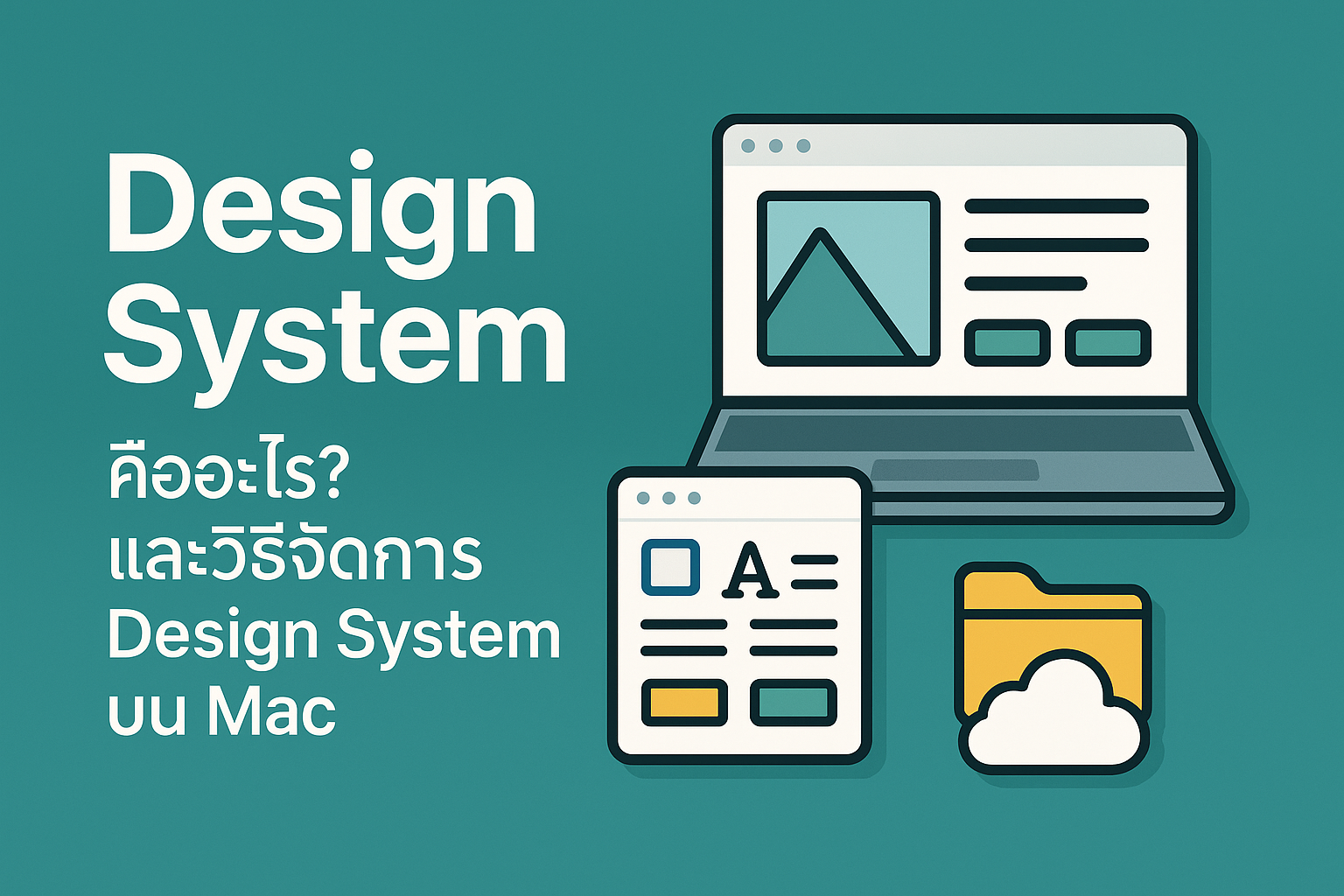
A Practical Guide to Managing Your Design System on a Mac
🔍 What Exactly is a "Design System"? A Design System is a set of rules, frameworks, and reusable components that serve as the "Single Source of Truth" for designing and developing digital products with consistency. It typically consists of:
- UI Components: Reusable elements like buttons, forms, icons, and cards.
- Design Tokens: Design constants such as colors, font sizes, spacing, and shadows.
- Guidelines: Usage documentation for things like logo application, brand Tone & Voice, and Accessibility (a11y) standards.
- Code Snippets: Code that corresponds to the design, like React Components or CSS Variables.
🎯 The Core Purpose of a Design System:
- To reduce redundancy and increase operational efficiency.
- To align design and development teams with a shared language.
- To maintain brand identity and a consistent User Experience (UX).
💻 How to Manage a Design System Like a Pro on a Mac Mac users have an advantage with access to premier design tools that run seamlessly on macOS. Here’s the recommended approach:
1. Use Figma (Cloud-based) The leading tool for creating complex, collaborative Design Systems in real-time. Leverage essential features like Component Sets, Variants, and Auto Layout to build a flexible and maintainable system.
- 💡 Tip: Install the Figma Desktop App on your Mac for the best performance and to free up browser resources.
2. Use Sketch (macOS Only) A native Mac application known for its speed and lightweight performance. It excels at creating Symbols, Text Styles, and Color Variables, which can be shared as a team Library via Sketch Cloud.
3. Organize Files with Finder and iCloud Create a clear folder structure to store assets, tokens, and documentation. Using iCloud Drive keeps all files synced across your Apple devices and makes sharing with the team effortless.
📁 Design-System/
├── 01_Foundations/ (Tokens, Typography, Colors)
├── 02_Components/ (Buttons, Forms, Cards)
├── 03_Patterns/ (Page Layouts, Forms)
├── 04_Assets/ (Icons, Illustrations)
└── 05_Guidelines/ (Brand, Accessibility)
4. Use Dev Tools like Storybook For designers who code or front-end developers on Mac, Storybook can be used to create a live catalog of UI components in code (React/Vue/Angular) that perfectly matches the designs in Figma or Sketch.
Conclusion: The Benefits of a Design System & Why the Mac is Ideal
- Benefits of a Design System:
- Consistency: Maintains brand quality and visual identity.
- Efficiency: Reduces redundant work, allowing teams to build faster.
- Collaboration: Creates a shared language between designers and developers.
- Why the Mac is Ideal for It:
- Rich Ecosystem: Access to stable, high-performance, and design-specific apps like Figma and Sketch.
- Seamless Connectivity: Effortless file sharing and collaboration via iCloud and AirDrop.
- High Performance: Powerful hardware well-suited for demanding design and processing tasks.
🔐 Summary: Why should you have a Design System and how is it organized on Mac?
Benefits Why is it suitable on Mac
Reduce redundancy in design macOS is stable and has complete tools
 LINE
LINE
auto_awesome
Related Articles

How to apply for an Apple ID in detail. You can do it yourself easily.
31 May 2025
Night Shift vs. True Tone: Understanding the Differences & Benefits
17 Jun 2025
How to Check Serial Number, Model and Year of Mac for Warranty Check
22 May 2025
Checking Your iPhone: Has It Been Repaired or Had Parts Replaced?
30 Jun 2025Apple device acting up?
Free diagnosis before every repair · Genuine parts · Up to 1-year warranty